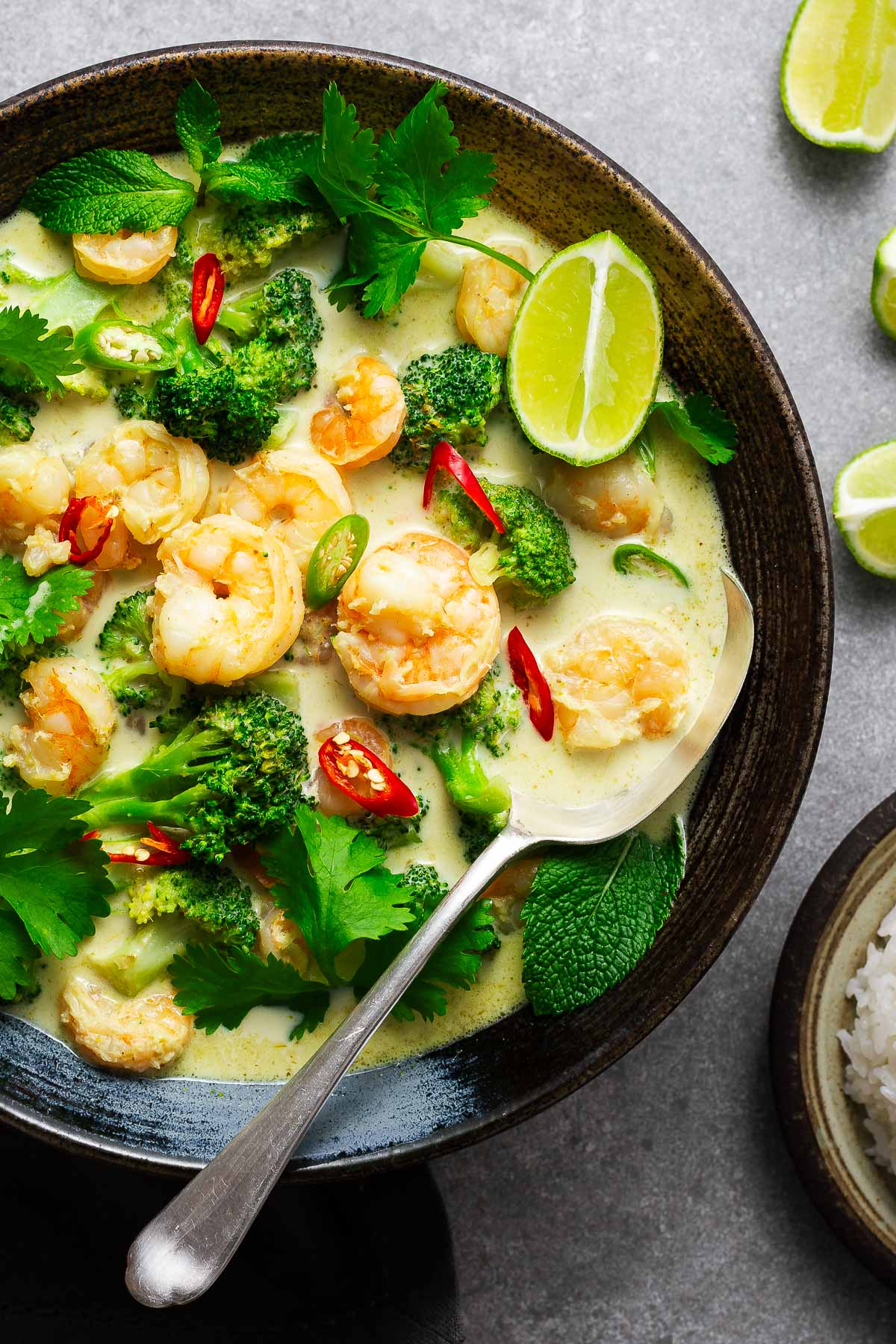
Imagine the rich, aromatic scent of a creamy Thai green curry wafting through your kitchen, a dish so authentic and flavorful it transports you straight to the bustling streets of Bangkok. The good news? Crafting this culinary masterpiece at home, even for a busy weeknight, is surprisingly straightforward. We're talking about an easy Thai green curry that delivers restaurant-quality taste without requiring a passport or an army of pots and pans. But as you embark on this delicious journey, one crucial decision often sparks a debate among home cooks: chicken thighs or chicken breast?
While both cuts of chicken can star in your homemade Thai green curry, they bring distinct qualities to the table, influencing the final texture and depth of flavor. In this comprehensive guide, we'll delve into the nuances of each, exploring not just what to use, but why, ensuring your next easy Thai green curry is nothing short of spectacular.
The Heart of Your Curry: Choosing Your Chicken
The chicken is often the focal point of a Thai green curry, soaking up the vibrant flavors of the paste and coconut milk. Your choice of cut significantly impacts the dish's succulence and overall eating experience. Let's break down the contenders:
Chicken Thighs: The Flavor Champion
- Unmatched Tenderness and Moisture: Boneless, skinless chicken thighs are, without a doubt, the preferred choice for many seasoned curry makers, and for good reason. Thighs contain more fat and connective tissue (collagen) compared to breast meat. As they simmer gently in the coconut milk, this collagen breaks down into gelatin, infusing the sauce with richness and ensuring the meat stays incredibly tender and juicy, even if cooked a little longer. This forgiving nature makes them ideal for the slow, simmering process that develops deep curry flavors.
- Richer Flavor Profile: The higher fat content in chicken thighs contributes to a more robust, inherently richer chicken flavor that stands up beautifully to the intense spices of green curry paste. They absorb the aromatic liquids like a sponge, becoming little pockets of savory delight with every bite.
- Consistency: You'll rarely find an overcooked, dry chicken thigh in a curry. Their structure allows them to remain succulent and shreddable, providing a satisfying mouthfeel that complements the creamy sauce and crisp-tender vegetables.
Chicken Breast: The Leaner Option
- Lean and Mild: Chicken breast is a popular choice for those seeking a leaner protein or a milder chicken flavor that allows the curry paste to shine more prominently. Its lower fat content means fewer calories and a cleaner taste.
- Prone to Dryness: The main challenge with chicken breast in a curry is its tendency to dry out if overcooked. Without the protective fat and collagen of thighs, breast meat can quickly become tough and stringy, especially after simmering. To mitigate this, many cooks add chicken breast later in the cooking process or ensure it's cut into smaller, uniform pieces for quicker, more even cooking.
- Absorbs Flavors Well: Despite its milder inherent flavor, chicken breast is excellent at soaking up the curry's spices and coconut milk, offering a different, yet still delicious, canvas for the complex flavors of an easy Thai green curry.
The Verdict: For the most flavorful, tender, and forgiving homemade Thai green curry, boneless, skinless chicken thighs are the clear winner. Their natural juiciness and ability to retain moisture during simmering make them the superior choice for achieving that authentic, melt-in-your-mouth texture commonly found in Thai cuisine. However, if you genuinely prefer chicken breast for dietary reasons or personal taste, be mindful of cooking times to prevent dryness.
Crafting Your Easy Thai Green Curry: Essential Ingredients & Tips
Beyond the chicken, several key ingredients are non-negotiable for an authentic and easy Thai green curry. Getting these right will elevate your dish from good to extraordinary.
The Power of Paste: Homemade vs. Store-Bought
A great Thai green curry starts with a great curry paste. While homemade paste offers unparalleled freshness, vibrance from herbs like mint and basil, and complete control over spice levels, a good quality store-bought paste can save you significant time without sacrificing too much flavor. Look for brands like Maesri (often found in cans), which are known for their authentic flavor profile.
- Boosting Store-Bought Paste: Even with a high-quality store-bought paste, you can significantly enhance its depth. Before adding the coconut milk, sauté the paste for a minute or two in a little oil until fragrant. Then, stir in finely minced fresh ginger, lemongrass (if you can find it, or even a paste version), garlic, and chopped green onions. This simple step awakens the dormant flavors of the paste and adds layers of aromatic complexity.
- Spice Control: Thai green curry is traditionally quite spicy. If you're sensitive to heat, begin by using less paste than recommended and taste as you go. You can also deseed and thinly slice fresh chilies, adding them gradually until you reach your desired level of spiciness.
Coconut Milk: The Creamy Foundation
This is where your curry gets its signature creaminess and subtle sweetness. Always opt for full-fat unsweetened coconut milk. Light coconut milk simply won't provide the rich, velvety texture and deep flavor your curry deserves.
- The Shake Test: When shopping, give the can a good shake. If it sounds very liquidy, it means the coconut cream hasn't separated much. A can that feels less liquidy and perhaps has a slight "slosh" indicates more of that thick, delicious coconut cream has risen to the top, which you can then spoon off and sauté with your curry paste for a richer base.
- Avoid Sweetness: Unsweetened coconut milk is critical. Otherwise, your curry will become overly sweet, masking the intricate balance of savory, spicy, and tangy notes.
The Umami Bomb: Fish Sauce
Fish sauce is the unsung hero of Thai cuisine, providing essential salty, umami depth that rounds out the flavors. Brands like Red Boat or Three Crabs are excellent choices. While some recipes allow for its omission, understand that leaving it out will result in a slightly different flavor profile. If you're worried about the aroma, don't be; it mellows beautifully during cooking.
Vibrant Vegetables: Color and Texture
Authentic Thai green curry often features snow peas, Japanese eggplant, and bamboo shoots. However, feel free to personalize your easy Thai green curry with your favorite vegetables. Zucchini, bell peppers, spinach, green beans, and even broccoli florets are fantastic additions. The key is to avoid overcooking them. Add firmer vegetables earlier and quicker-cooking ones (like spinach or snow peas) towards the end to ensure they remain crisp-tender and retain their vibrant color, preventing a mushy texture.
Aromatic Finishers: Brightness and Freshness
The final touches make all the difference. A squeeze of fresh lime juice just before serving brightens the entire dish, cutting through the richness of the coconut milk. Fresh herbs like cilantro, Thai basil (if you can find it – regular Italian basil works too!), and mint add an invigorating burst of flavor and aroma. For an extra layer of exotic fragrance, consider adding Kaffir lime leaves (also called makrut lime leaves) during simmering; their citrusy, floral notes are truly transformative.
Making Your Easy Thai Green Curry a One-Pot Wonder
One of the most appealing aspects of a homemade Thai green curry is how easily it can be prepared in a single pot, simplifying cleanup and making it ideal for a quick weeknight meal. This method emphasizes layering flavors efficiently.
- Sauté the Aromatics: Start by heating a little oil (or the separated coconut cream) in a large pot or Dutch oven. Add your curry paste, ginger, lemongrass, and garlic, stirring frequently until incredibly fragrant – about 1-2 minutes. This "blooming" of the paste is crucial for flavor development.
- Sear the Chicken: Add your chosen chicken (preferably thighs, cubed) and sear it lightly until it just begins to brown on the edges. This locks in flavor and creates a nice texture.
- Simmer and Savor: Pour in the full-fat coconut milk and a splash of low-sodium broth (if needed for consistency, to avoid excessive saltiness), along with Kaffir lime leaves if using. Bring to a gentle simmer, then reduce heat and let it cook uncovered for about 10-15 minutes, allowing the chicken to tenderize and the flavors to meld beautifully.
- Vegetable Integration: Add your firmer vegetables (like bell peppers or zucchini) and continue to simmer for another 5-7 minutes. Stir in quicker-cooking greens like spinach or snow peas just a minute or two before serving.
- Season and Finish: Stir in the fish sauce. Taste and adjust. If the sauce becomes too thick, simply add a bit of water or low-sodium broth until your desired consistency is reached. Finish with a generous squeeze of fresh lime juice and a handful of fresh cilantro and basil.
This straightforward approach ensures that your quick one-pot Thai green curry is ready in about 30 minutes, tasting like it came straight from your favorite Thai restaurant.
Conclusion
Embarking on the journey to create homemade Thai green curry is a rewarding experience, offering a symphony of flavors that can be tailored to your precise liking. While both chicken thighs and breast can be used, boneless, skinless chicken thighs generally offer a superior, more tender, and flavorful result, making them the top recommendation for your easy Thai green curry. By understanding the key ingredients, embracing full-fat coconut milk, and knowing how to enhance your curry paste, you're well on your way to mastering this beloved dish. So, gather your ingredients, choose your chicken wisely, and prepare to delight your senses with a truly exceptional homemade meal.
